Abu Dhabi’s $6.2 billion gas project is about much more than new production


Subscribe to our free newsletter today to keep up to date with the latest energy, oil and gas news.
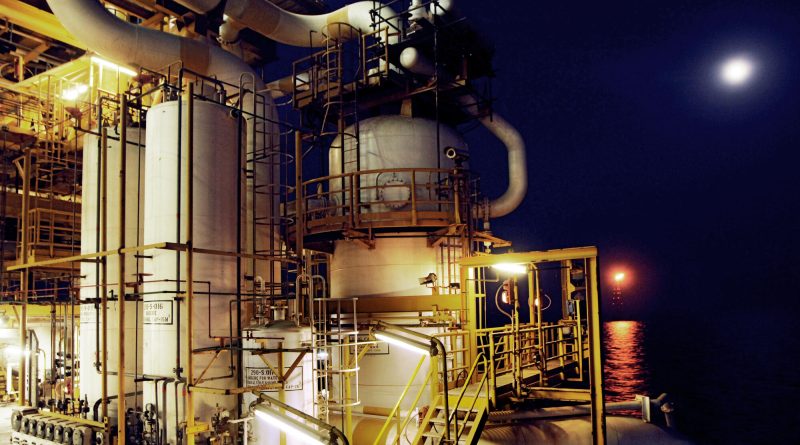
Abu Dhabi’s decision to approve a $6.2 billion investment in the Umm Shaif Gas Cap project represents more than another offshore development. The project sits at the center of a broader strategy to increase domestic gas production, strengthen energy security and support rising demand from industry while maintaining the UAE’s position in global LNG markets.
ADNOC expects the offshore development to produce more than 600 million standard cubic feet of natural gas per day by 2030. That equates to almost 10% of the UAE’s current gas consumption, making it one of the company’s most significant gas developments in recent years.
The announcement comes as governments across the Middle East balance energy transition policies with growing electricity demand. New industries, manufacturing capacity and digital infrastructure require dependable energy supplies, keeping natural gas central despite continued investment in renewable generation.
A major producer is still working to reduce its dependence on imported gas
The UAE occupies an unusual position within global energy markets. Although it exports LNG and possesses substantial hydrocarbon reserves, domestic gas demand has consistently exceeded local production.
Electricity generation, industrial expansion and petrochemical manufacturing have steadily increased gas consumption during the past decade. Pipeline imports, primarily through the Dolphin Energy network, continue to supplement domestic supply. That dependence has encouraged policymakers to expand local production wherever commercially viable.
The Umm Shaif Gas Cap project directly addresses that challenge. Once operational, the additional production should reduce imported gas while increasing supply flexibility across the national energy system.
The strategy also improves resilience during periods of regional uncertainty. Producing a greater share of domestic demand at home gives Abu Dhabi more control over long-term energy planning and reduces exposure to external supply disruptions.
Natural gas also remains essential for balancing the country’s expanding renewable energy portfolio. Solar generation has grown rapidly across the UAE, yet gas-fired power stations continue providing dependable electricity when renewable output falls or demand reaches peak levels.
The project forms part of a much larger gas strategy
Viewed independently, the Umm Shaif development is significant. Alongside ADNOC’s wider investment program, it becomes one element of a broader transformation.
Recent investments include the Bab Gas Cap development, expanded gas processing infrastructure and continued progress on the Ruwais LNG project. Together, these initiatives aim to increase upstream production while creating additional capacity for both domestic consumption and export markets.
International partnerships remain central to the strategy. TotalEnergies, Eni and China National Petroleum Corporation contribute technical expertise, financial resources and operational experience from large offshore developments. Sharing investment risk allows ADNOC to accelerate development while maintaining project scale.
The company is also strengthening its LNG marketing business. Long-term supply agreements and expanded trading activities position Abu Dhabi to benefit from future demand growth, particularly across Asia, where natural gas continues to play an important role in electricity generation and industrial activity.
The combination of upstream production, processing capacity and export infrastructure reflects an integrated strategy rather than a series of isolated investments.
Rising industrial demand is changing the energy equation
One of the more significant aspects of the investment announcement is its connection to future industrial growth.
Manufacturing, petrochemicals and heavy industry remain central to the UAE’s economic diversification strategy. Governments across the Gulf are also investing heavily in artificial intelligence infrastructure and data centers, both of which require substantial and reliable electricity supplies.
While renewable energy capacity will continue expanding, natural gas remains one of the most practical sources of dispatchable power capable of supporting continuous industrial operations.
This does not mean every new gas project is being developed solely for AI infrastructure. Instead, rising electricity demand across multiple sectors reinforces the importance of maintaining adequate domestic gas supplies while the broader energy system evolves.
That balanced approach is becoming increasingly common among major energy producers. Countries continue investing in lower-carbon technologies while recognizing that natural gas will remain an important component of electricity generation for years.
Commercial opportunities come with long-term uncertainty
Like every major energy investment, Umm Shaif faces commercial risks alongside its strategic advantages.
Global LNG markets are entering a period of significant expansion as projects in North America, Qatar and other regions add export capacity before the end of the decade. Greater supply could place downward pressure on prices even if overall gas demand continues to increase.
Climate policy also continues shaping investment decisions. Producers face growing pressure to reduce methane emissions, improve operational efficiency and demonstrate lower carbon intensity across new developments.
ADNOC has responded by integrating emissions reduction initiatives across its operations, although investors and policymakers will continue monitoring how those commitments translate into long-term performance.
The economics of Umm Shaif will ultimately depend on construction execution, operating performance, future gas demand, LNG prices and the pace of the global energy transition.
Rather than marking a departure from the UAE’s broader energy strategy, the project reinforces it. Abu Dhabi continues investing in renewables, nuclear power and natural gas simultaneously, treating each as part of a diversified energy portfolio designed to support economic growth while strengthening long-term energy security.
Source