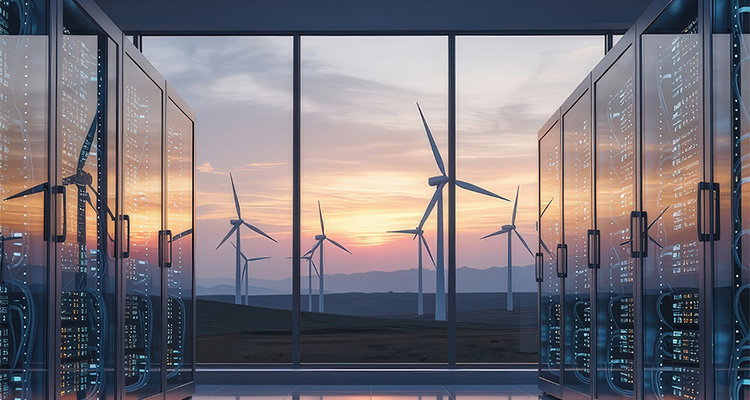
As AI drives electricity demand, energy companies race to build capacity, fuel supply, and infrastructure

The push for artificial intelligence capabilities is sparking another, less-noticed race. Behind every model launch, cloud platform, and data center expansion lies a rising demand for electricity.
For energy companies, the impact goes far beyond technology. Data centers are becoming a key driver of load growth just as power markets are already facing grid constraints, permitting hurdles, and evolving generation portfolios. The conversation isn’t just about how AI will change business; it’s about how the energy sector will keep up.
The International Energy Agency points to data centers as a major factor behind rising electricity demand, especially in the US, where digital infrastructure is taking center stage in the power equation. Electricity demand is now outpacing overall energy demand, putting infrastructure investment front and center in boardroom conversations across the industry.
For utilities, generators, pipeline operators, and equipment suppliers, the opportunity comes with a real challenge. New capacity needs to be ready when customers want it – not years down the road.
The sheer scale of investment in the data center market is shaping decisions throughout the energy value chain. Technology companies are searching for locations that offer reliable power, transmission access, and space to grow. Utilities are responding by revisiting load forecasts, generation strategies, and capital programs. Developers are looking at how fast new projects can connect to the grid, while natural gas suppliers are considering how extra power demand might change fuel needs.
So, utilities and developers are reimagining how and where to build new infrastructure. In the past, power systems handled steady, gradual growth. AI is changing that. Large facilities can suddenly bring major electricity needs, putting pressure on generation resources and transmission networks.
This shift is reshaping investment priorities. Instead of planning just around population growth or industrial development, many operators now see digital infrastructure as a major demand driver.
Critical challenges
This trend comes as countries place greater emphasis on energy security. Reliable electricity supply isn’t just an economic issue – it’s about competitiveness and technology, too.

As demand forecasts climb, energy companies are figuring out which generation sources can come online fast enough. Natural gas remains at the core of many of those discussions. The fuel plays a key role in global energy demand growth and offers dispatchable generation to support round-the-clock operations.
Meanwhile, renewable generation keeps expanding. The IEA notes that solar photovoltaic capacity made up the biggest share of global energy demand growth in 2025, showing just how fast renewables are entering the system.
For many operators, it’s not about gas versus renewables. The real challenge is figuring out how these technologies can work together to keep reliability high while supporting demand growth.
Building generation capacity is only part of the challenge. Getting power to where it’s needed is just as critical. In several markets, connection queues and permitting timelines are putting the brakes on development. As data center operators chase capacity, grid expansion is moving up on strategic agendas.
This shift is opening opportunities across engineering, procurement, construction, and equipment sectors. Companies that work with substations, transformers, transmission systems, energy management technology, and backup generation are becoming part of the AI story – even if they aren’t directly tied to technology firms.
The demand extends well beyond utilities and power producers, creating new opportunities throughout the supply chain.
Shaping strategies
The next phase of growth will depend on execution, not just ambition. Energy companies know AI needs major infrastructure investment. The real challenge is figuring out how to deliver that infrastructure while balancing affordability, reliability, and regulation.
Executives are now making decisions that will shape capital allocation for years. Generation portfolios, fuel strategies, transmission investments, and customer relationships are becoming increasingly interconnected. One choice for a single data center project can impact broader planning across an entire network.
The discussion is shifting from just electricity demand to competitive positioning. Regions that can offer reliable power are set to attract investment. Those that can’t may miss out on the economic activity tied to digital infrastructure.
As AI deployment continues, the energy sector is in a position few imagined a decade ago. Technology companies may drive demand, but utilities, generators, infrastructure developers, and fuel suppliers will decide how quickly that demand gets met.
Now, the focus moves from the promise of AI to the infrastructure supporting it. Organizations that align their investment decisions with rising electricity needs will help shape the next stage of the digital economy, one power connection at a time.