BP’s North Sea sale signals a new era for UK offshore energy

Subscribe to our free newsletter today to keep up to date with the latest energy, oil and gas news.
For six decades, BP has been one of the defining names in the UK North Sea. The basin helped transform the company from a national oil producer into one of the world’s largest energy businesses. That relationship is now entering a new chapter.
BP has confirmed it is marketing its North Sea business as part of a broader portfolio review. While the sale has not been completed, the announcement signals a significant shift for both the company and one of the world’s most mature offshore oil and gas provinces.
The decision extends beyond the sale of offshore assets. It reflects how international energy companies are reassessing where capital can generate the strongest long-term returns while responding to changing market conditions, ageing infrastructure and evolving government policy.
Why the North Sea no longer fits BP’s investment priorities
The proposed sale forms part of BP’s strategy to simplify its portfolio, strengthen its balance sheet and focus investment on assets capable of delivering stronger long-term returns. The company is pursuing a wider divestment program aimed at raising approximately $20 billion by the end of 2027, making the North Sea business one component of a broader financial strategy rather than an isolated decision.
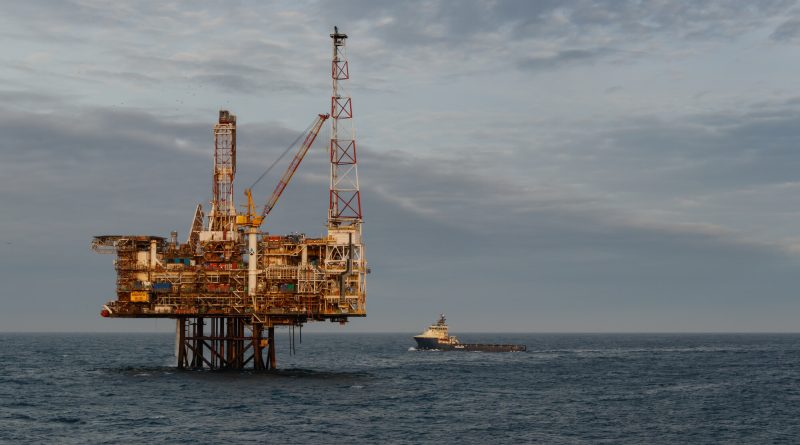
The assets being marketed include five production hubs across the central North Sea and west of Shetland, supported by around 1,100 employees. Although these fields continue to produce oil and gas, they operate within one of the world’s most mature offshore basins.
Mature assets present a different economic profile than newer developments. Production naturally declines over time, operating costs increase and operators must prepare for expensive maintenance and eventual decommissioning. International energy companies routinely compare these assets with opportunities elsewhere in their global portfolios, where newer developments may offer higher production, lower costs or more attractive fiscal terms.
The announcement should not be interpreted as BP abandoning upstream oil and gas. The company continues to invest in production in other regions. Instead, the move illustrates how disciplined capital allocation increasingly determines where global energy companies deploy investment.
The UK’s investment climate is changing ownership across the basin
BP’s announcement comes during a period of significant change for the UK offshore sector.
Industry leaders have repeatedly highlighted concerns about taxation, regulatory uncertainty and long-term policy direction. Investors have also become increasingly selective when allocating capital to mature oil and gas provinces.
Recent analysis indicates that UK-focused producers have directed substantially more investment overseas than into domestic offshore projects in recent years. That trend reflects several factors, including the maturity of the basin, changing project economics and differing fiscal environments across international energy markets.
It would be inaccurate to attribute BP’s decision solely to tax policy. Corporate restructuring, shareholder expectations, portfolio optimization and asset maturity all influence investment decisions. Combined, these pressures are reshaping ownership across the North Sea.
Rather than shutting down production, many international energy companies are selling mature assets to specialist operators with experience managing late-life fields. These companies often focus on extending field life, maximizing remaining production and carefully controlling operating costs.
A sale changes ownership, not necessarily production
If BP completes a sale, offshore production is unlikely to stop immediately.
Prospective buyers will assess remaining reserves, production forecasts, operating costs, infrastructure access, decommissioning liabilities and future investment opportunities before making an acquisition.
This ownership model has become increasingly common across mature offshore regions. Specialist operators are often prepared to manage assets that no longer meet the investment thresholds of larger international producers, creating opportunities to extend production beyond what might otherwise have been expected.
For employees and suppliers, the outcome will largely depend on the eventual purchaser and its operating strategy. Around 1,100 people currently work within BP’s North Sea business, making workforce continuity an important consideration throughout any transaction.
The announcement also raises broader questions about UK energy security. While ownership may change, domestic production can continue if assets remain commercially viable. The larger question is whether the UK can continue attracting investment into both existing infrastructure and future energy developments as the basin evolves.
BP’s decision therefore represents more than a corporate transaction. It marks another milestone in the gradual transition of the North Sea from a province dominated by international oil majors to one increasingly managed by specialist operators focused on extracting value from mature assets. That shift may ultimately define the basin’s next chapter more than the departure of any single company.
Source