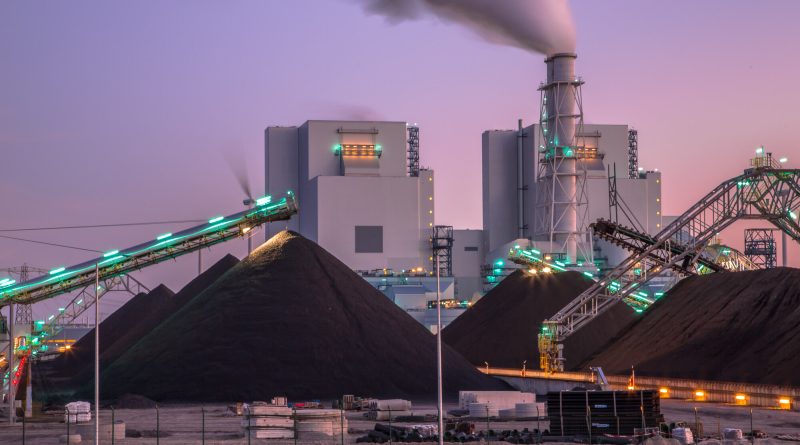
China generates less than half its electricity from coal for the first time

Subscribe to our free newsletter today to keep up to date with the latest energy, oil and gas news.
China has reached a significant milestone in its energy transition. For the first time, coal generated less than half of the country’s electricity during the first half of 2026, reflecting the pace at which renewable energy is being deployed across the world’s largest electricity market.
At first glance, the figures suggest coal is losing its dominant position within China’s power system. The bigger story is how quickly the country’s electricity mix is diversifying while overall demand continues to climb. Electricity consumption is rising because of artificial intelligence infrastructure, electric vehicle manufacturing, industrial production and the wider electrification of transport and heating.
For energy markets, this development extends well beyond emissions. It signals that China is entering a new stage in its energy transition, where renewable energy is supplying much of the country’s growing demand while coal continues to support grid reliability and energy security. The effects are likely to influence global coal markets, LNG demand, electricity infrastructure investment and long-term energy planning.
China’s renewable expansion is reshaping the world’s largest electricity system
China has spent the past decade building renewable energy capacity at a scale unmatched anywhere in the world. Large investments in utility-scale solar, offshore wind and hydroelectric power have steadily altered the country’s electricity mix, allowing renewable generation to account for a growing share of total output.
Coal’s contribution has now fallen below 50% of electricity generation for the first time, while renewable sources account for more than 40% of total production. Wind and solar continue to record the strongest growth, supported by sustained investment, improving technology and lower development costs.
The headline figures only tell part of the story. China’s electricity demand continues to expand so quickly that coal-fired power stations are still producing substantial volumes of electricity, even as their share of the overall mix declines. The latest milestone reflects the speed of renewable deployment rather than an immediate reduction in coal generation.
Several structural trends are driving electricity demand. China remains the world’s largest manufacturing economy, while electric vehicle production and charging require increasing amounts of electricity. Artificial intelligence and cloud computing are also contributing through the rapid expansion of large-scale data centers.
At the same time, Beijing continues to encourage electrification across transport, residential heating and industry. Each of these developments increases pressure on the country’s electricity network, requiring additional generating capacity across several technologies.
Supporting this transition is an equally ambitious expansion of transmission infrastructure. China has invested heavily in ultra-high-voltage transmission lines that carry renewable electricity from western provinces to industrial centers in the east. Battery storage and digital grid management are also helping operators integrate larger volumes of intermittent renewable generation while maintaining system reliability.
For the energy sector, China’s experience demonstrates that expanding renewable capacity does not eliminate the need for conventional generation. Instead, it changes the role each technology plays within a more diversified electricity system.
Coal remains central to China’s energy security strategy
Despite the expansion of renewable energy, coal remains central to China’s long-term energy strategy. The latest milestone should not be interpreted as Beijing turning away from coal. Instead, it reflects a gradual change in how coal-fired generation supports the country’s evolving electricity system.
Energy security remains one of China’s highest priorities. Fuel supply disruptions, geopolitical tensions and increasingly frequent extreme weather events have reinforced the value of maintaining reliable domestic generation. Coal-fired power stations continue to provide resilience that renewable generation alone cannot yet guarantee.
Coal plants provide dispatchable generation, allowing operators to increase output when electricity demand rises or renewable generation falls. As larger volumes of wind and solar enter the system, that operational flexibility becomes increasingly valuable in maintaining grid stability.
This helps explain why China continues approving new coal-fired generating capacity alongside record investment in renewable energy. The two strategies are not viewed as competing priorities. Renewable energy is expected to supply much of the country’s future demand growth, while coal provides the reliability needed to support an increasingly complex electricity system.
China’s substantial domestic coal reserves also reduce dependence on imported fuels, giving policymakers greater control over energy security during periods of international market volatility.
The challenge is balancing economic growth, reliable electricity supplies and emissions reductions. Rather than pursuing a rapid phaseout, China appears to be repositioning coal from its historic role as the dominant source of electricity toward one that provides stability as renewable generation continues to expand.
For global energy producers, this distinction matters. Coal demand may level off over time, but expectations of a rapid collapse remain difficult to support while China’s electricity consumption continues to increase.
What China’s changing electricity mix means for global energy markets
China’s changing electricity mix will influence energy markets well beyond its borders. As the world’s largest consumer of coal and one of the largest importers of LNG, changes in its power generation strategy affect commodity markets, investment decisions and energy infrastructure worldwide.
Coal exporters including Australia, Indonesia, Mongolia and South Africa will be watching closely. Demand for imported coal may become less dominant over time, but the transition is expected to unfold gradually. Continued electricity demand growth and investment in coal-fired generation suggest international coal markets are unlikely to weaken suddenly.
The outlook for natural gas is similarly balanced. Greater renewable generation could moderate long-term gas demand for electricity production, yet gas-fired generation continues to offer flexibility that complements intermittent renewable output. This may shift LNG demand toward balancing services rather than continuous baseload generation.
Some of the strongest commercial opportunities may lie outside fuel production. As renewable generation expands, investment in transmission infrastructure, battery storage, digital grid management and advanced power technologies is expected to accelerate. Engineering firms, equipment manufacturers and technology providers supporting electricity networks are likely to benefit from this trend.
For investors, China’s energy transition is becoming as much an infrastructure story as a generation story. The ability to transmit electricity efficiently, store renewable power and maintain system reliability will shape the next phase of development.
Coal supplying less than half of China’s electricity marks an important milestone, but it does not signal the end of fossil fuels in the country’s energy mix. Instead, it illustrates how the world’s largest electricity market is redefining the balance between conventional and renewable generation. For the global energy industry, the message is that the transition will be measured by how effectively different energy sources work together to meet growing demand while maintaining reliable power supplies.
Source