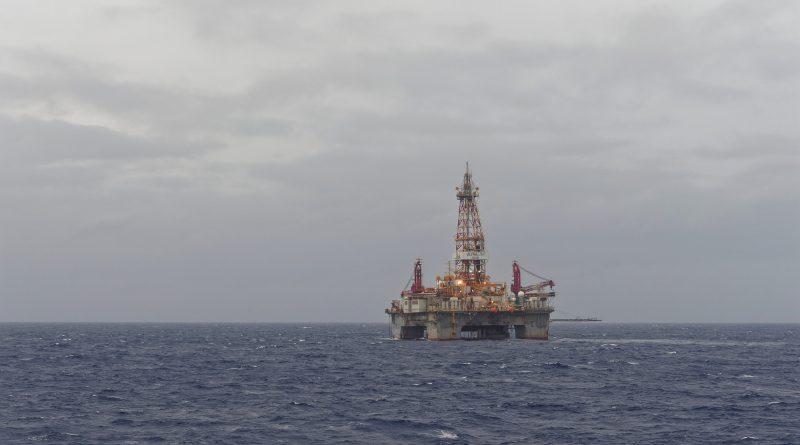
Eco Atlantic plans 2027 drilling at major Falklands oil prospect

Subscribe to our free newsletter today to keep up to date with the latest energy, oil and gas news.
Eco Atlantic Oil & Gas has highlighted a 640 million-barrel prospective oil resource at the first selected drilling target on its PL001 licence in the North Falkland Basin, as partner Navitas Petroleum prepares for a wider drilling campaign expected to begin in early 2027.
If Eco completes its planned acquisition of JHI Associates, the company estimates that about 225 million barrels of the prospective resource would be attributable to its interest in the licence in a drilling success case.
The figure is significant, but it is not a reserve estimate. It represents prospective resources, which are volumes estimated to exist but that have not yet been discovered through drilling.
The next phase will therefore carry more weight than the headline resource figure.
PL001 is moving closer to an exploration test as the nearby Sea Lion development advances toward drilling. Navitas is considering a multi-target exploration well on PL001 as part of its planned North Falkland Basin campaign.
That timing could give Eco a clearer opportunity to test the commercial potential of its Falklands position.
Sea Lion could change the economics of a Falklands discovery
The location of PL001 may matter almost as much as the estimated size of its resources.
The licence sits close to the Sea Lion development, where Navitas is preparing infrastructure ahead of drilling in early 2027. Work in the Falkland Islands includes preparations for the quay, shore base and accommodation needed for the drilling campaign. Long-lead equipment is also being manufactured.
Sea Lion Phase 1 is expected to reach first oil in 2028. The sanctioned first phase targets 170 million barrels and peak production of about 50,000 barrels per day.
That infrastructure could have wider value if exploration around Sea Lion is successful.
Eco said Navitas believes a successful PL001 discovery could potentially be connected to the Sea Lion production system. Such a route could reduce some of the infrastructure requirements that often make offshore discoveries more expensive to develop.
It would not remove exploration or development risk. Any discovery would still need to be large enough, technically suitable and commercially viable. Further approvals would also be required.
However, access to nearby infrastructure can change project economics. A discovery close to processing and export facilities may be easier to develop than a similar find in a more isolated basin.
The progress at Sea Lion could therefore matter to companies operating across the wider North Falkland Basin, not only to the partners developing the field.
Sea Lion has already moved beyond the resource-estimate stage. An independent assessment earlier this year reclassified more than 100 million barrels attributable to Rockhopper Exploration’s interest in the Northern Development Area as 2P reserves following project sanction.
PL001 remains at an earlier stage. Drilling will determine whether the geological opportunity can start moving along a similar path.
Large resource estimates still need to be tested by drilling
PL001 contains a much wider group of prospects than the first proposed drilling target.
Eco has previously reported about 40 prospects and leads across the licence. An independent assessment by Netherland, Sewell & Associates estimated more than 1.4 billion barrels of prospective resources across 15 prospects.
Earlier estimates associated with JHI placed the best estimate of prospective resources across identified prospects and leads at about 3.1 billion barrels.
Those numbers show the scale of the geological opportunity, but they require careful interpretation.
Resource estimates can differ because they cover different prospects, use different geological assumptions and are prepared at different stages of technical work. They should not be added together or treated as discovered oil.
That distinction is especially important in frontier exploration.
Prospective resource estimates indicate what may be present underground. Commercial value can only become clearer after drilling, appraisal, development planning, financing and regulatory approval.
PL001 is now approaching the first major test in that process.
The 640 million-barrel target gives Navitas and Eco a large prospect to evaluate. If drilling is successful, attention would shift toward recoverable volumes, development options and possible links with Sea Lion.
A failed well would not necessarily remove the wider exploration case. PL001 contains several other prospects and leads that could still warrant further study.
This is why the planned drilling campaign matters more than any single pre-drill estimate. It can begin replacing geological models with direct evidence from the subsurface.
South Africa points to Eco’s wider partnership strategy
Eco’s update also points to a similar approach offshore South Africa.
Navitas has agreed to farm into Block 1 CBK, where Eco has reported estimates of about 4.5 trillion cubic feet of unrisked prospective gas resources and more than 3.6 billion barrels of prospective liquids.
The transaction remains subject to regulatory approval, and the resources have not been proven through drilling.
Still, the structure of the proposed deal helps explain Eco’s broader strategy.
The company is seeking exposure to large offshore prospects while working with partners that can contribute capital, operating experience and development expertise. This can reduce the financial burden carried by a smaller exploration company, although it also means sharing future value if projects succeed.
Navitas is becoming increasingly important to that approach.
In the Falklands, it is advancing Sea Lion while considering further exploration around the development. In South Africa, the proposed Block 1 CBK farm-in would bring the same partner into another large Atlantic Margin opportunity.
For investors and industry observers, the size of the resource estimates is only part of the story. A more useful measure will be how quickly these projects move through approvals and into drilling.
The North Falkland Basin is closer to that point.
Sea Lion infrastructure work is underway, drilling preparations are advancing and first oil is targeted for 2028. Eco’s PL001 licence could now enter the same period of increased activity.
That gives Eco an opportunity, but it also creates a clearer test of its strategy. Over the next stage, drilling results will matter more than prospective barrel estimates. The value of the company’s Falklands position will depend on whether geological potential can be converted into discoveries that support a viable development plan.
Source