How Temperature Control Became a Critical Factor in Industrial Safety

Demanding industrial processes produce significant heat that endangers personnel and risks equipment damage. In volatile environments containing flammable gases or combustible materials, that excess heat becomes a direct threat to worker safety and facility integrity. This article draws on insights from Smart Family of Cooling Products, a Gulf Coast-based specialist with over 30 years of experience in engineering explosion-proof and low-temperature cooling solutions for hazardous applications.
Why Heat Has Become a Direct Threat to Worker Safety
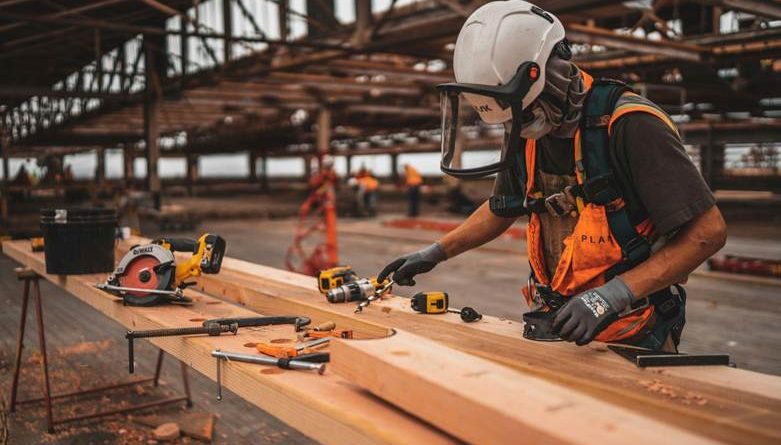
Excessive ambient and process heat directly affects the human body in ways that compromise worker safety on industrial sites. When core body temperatures rise beyond safe thresholds, workers face severe heat illnesses, including heat exhaustion and heat stroke. The Centers for Disease Control and Prevention explains that heat stress comes from several factors, including metabolic heat generation, environmental temperatures and personal protective equipment (PPE) requirements.
The consequences extend beyond heat illness itself. Fogged safety glasses reduce visibility during precision tasks, while dizziness and fatigue from sustained heat exposure increase the likelihood of slips, falls and contact injuries with hot equipment surfaces. These secondary physical injury risks compound the direct physiological dangers.
The heavy use of PPE in many industrial settings makes passive ventilation inadequate for maintaining safe working conditions. The PPE necessary to protect workers from chemical exposure or mechanical hazards traps metabolic heat inside the body. This internal heat buildup is very difficult to manage through airflow alone.
How Volatile Environments Raise the Stakes
In volatile environments where flammable gases, vapors or combustible dust are present, uncontrolled heat creates conditions often far more dangerous than worker discomfort. Elevated ambient temperatures, combined with mechanical friction and hot surfaces, push materials closer to their autoignition thresholds. When those thresholds are crossed, ignition can occur without an external spark or flame.
The stakes differ significantly between standard manufacturing and hazardous operations. Chemical processing facilities, petroleum refineries and pharmaceutical batch production sites handle substances that can undergo thermal runaway reactions. A cooling system failure that would cause production delays in a conventional plant can trigger cascading failures and catastrophic secondary explosions in these high-risk settings.
Research from the Occupational Safety and Health Administration shows workplace heat hazards can occur indoors from heat-generating equipment such as furnaces, ovens and industrial processes common in manufacturing and oil and gas operations. Engineering controls, including dedicated cooling systems, provide a critical barrier between volatile atmospheres and the failure points that can lead to ignition. Proactive temperature management through specialized process cooling equipment has evolved from an efficiency measure into a fundamental safety requirement.
What Makes Explosion-Proof Chiller Engineering Essential in Hazardous Facilities
Hazardous locations require cooling systems engineered specifically to prevent ignition in the presence of flammable substances. Smart Family is “one of the very few companies that can build explosion-proof machines” with expertise in specialized explosion-proof cooling systems for hazardous applications. Their systems are built to comply with NEC Class I Division 1 and Division 2 classifications for Groups B, C and D atmospheres. Control panel options include NEMA 7, NEMA 4X and NEMA 4 configurations to match specific facility requirements and safety regulations.
These specialized cooling systems serve petrochemical refineries, chemical production plants, oil and gas operations and offshore platforms where standard equipment cannot be safely deployed. The engineering complexity required to contain all potential ignition sources while maintaining reliable cooling performance explains why so few manufacturers can deliver compliant solutions. For facilities operating in classified hazardous locations, explosion-proof cooling is not an upgrade but a baseline safety requirement.
How Precision Cooling Supports Equipment Reliability
Explosion-proof cooling equipment faces a challenge beyond initial installation. As NEC classifications evolve and safety standards become more stringent, older systems risk falling out of compliance even when they remain mechanically functional. Smart Family notes that chillers 10 or more years old “may not comply to the newer explosion-proof classifications of today.”
This compliance drift represents a hidden risk that facility engineers and operations managers must address proactively. Equipment that met classification standards at the time of installation may no longer satisfy current requirements. The issue is regulatory, not just mechanical. A chiller that still operates efficiently could expose the facility to citations or create unsafe conditions if it no longer meets the latest NEC specifications for its installed location.
Smart Family addresses both efficiency gaps and compliance gaps through their service capabilities. Their engineers can evaluate existing systems against current classification requirements and recommend updates or replacements when equipment has drifted out of specification. This approach treats long-term reliability as a compliance issue rather than solely a maintenance concern.
Temperature Control Is the New Safety Standard
Temperature control in industrial facilities has moved from a mechanical consideration to a foundational safety pillar. What once served primarily to protect equipment efficiency now stands as a critical defense against heat-related worker injuries and catastrophic failures in hazardous atmospheres.
The evolution reflects a broader understanding of how thermal management intersects with every layer of industrial safety. From protecting workers against physiological heat stress to preventing ignition in classified locations, cooling systems now carry responsibilities far beyond their original design intent.

*Please note that this list includes sponsored content. Some of the companies, products, or services featured have entered into commercial agreements for placement. Sponsored placements do not necessarily reflect an endorsement and should be considered alongside other options in the marketplace.