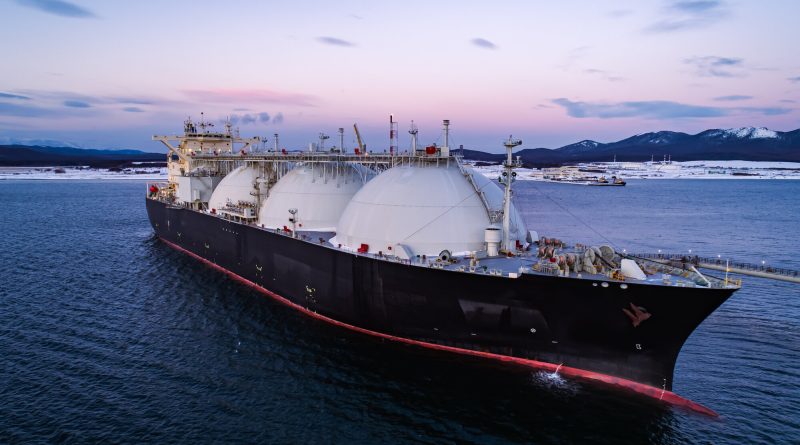
IEA warns extreme weather is a growing risk to oil and LNG shipping

Subscribe to our free newsletter today to keep up to date with the latest energy news.
Extreme weather is becoming a bigger threat to the ships, ports, and sea routes that carry the world’s oil and natural gas, according to a new report from the International Energy Agency (IEA).
The report, Extreme Weather Risks to International Oil and Natural Gas Shipping, was prepared at the request of the French government during its 2026 G7 presidency. It finds that in 2024, around 40% of crude oil, 30% of petroleum products, and 15% of natural gas supply traveled part of the way to consumers by water.
That share is set to grow. Under the IEA’s Stated Policies Scenario, international oil and gas shipping activity rises by more than 15% by 2035, with liquefied natural gas (LNG) growing faster than oil. The agency links LNG growth to new export capacity in the US, Australia, and elsewhere, much of it serving demand in Asia.
More cargo on the water means more exposure to storms, floods, drought, and fog. For energy companies, the practical questions are how often weather will interrupt that trade, where, and for how long.
Most port disruption is brief, but the worst events last for months
The IEA’s headline figure on ports looks modest. Tanker-handling ports lose an average of 1.5 days a year to extreme weather, and around 60% of the ports assessed lose less than a day.
That average hides the tail risk. High-impact events can shut ports for weeks or months, and the physical damage is already significant. The IEA cites research putting current weather-related damage to tanker-handling ports at around $5 billion a year, with Europe and North America accounting for nearly half.
Annual damage could nearly double by 2050 in a scenario consistent with about 3°C of warming by the end of the century. River flooding causes around half of today’s damage, but the IEA expects coastal flooding to become the bigger driver as sea levels rise and storm surges from tropical cyclones grow.
Exposure varies by region. Virtually all ports with regular tanker traffic in Japan, Korea, and China face a tropical cyclone at least once in 500 years on average. In Europe, more than 100 ports, or 24%, face river or coastal flooding.
Gulf Coast concentration puts US energy exports in focus
For North American operators, one of the most relevant lines in the report concerns the US Gulf Coast. The IEA notes that the region holds nearly half of US refining capacity and is exposed to tropical cyclones and the flooding they bring.
Most US LNG export terminals sit on that same coastline, and they are behind much of the LNG growth the IEA expects.
The report highlights a trade-off in clustered port systems. Ports grouped close together give operators regional flexibility, since cargoes can shift to a neighboring terminal when one is out of action. A single region-wide event, however, can take several ports offline at once.
That is the scenario a major Gulf Coast hurricane presents. As a larger share of global LNG supply comes from one stretch of coast, a severe storm there becomes a concern for buyers in Europe and Asia, not only for US producers.
Chokepoints and rivers add a second layer of risk
Ports are only part of the picture. The IEA identifies maritime chokepoints where weather can force costly detours or halt flows entirely.
Tropical cyclones can disrupt the Luzon Strait, between the South China and Philippine seas. Fog can temporarily close the Turkish Straits, which link the Mediterranean and Black seas. Drought can limit Panama Canal transits for months.
Where rerouting is possible, disruption adds voyage time, fuel use, freight costs, and emissions. Where alternatives are limited, flows can stop.
Inland waterways face similar pressure. On the Rhine at Kaub in Germany, navigation has been economically unviable for about 1 month a year on average in recent years. In a scenario of more than 3°C of warming, that could nearly double to almost 2 months a year by the end of the century.
The IEA’s recommendations include building extreme weather into energy security and emergency planning, diversifying supply, and strengthening infrastructure through flood protection, elevated equipment, and resilient power and communications. It also calls for better early warning systems, closer international cooperation (from data sharing to shared spare-parts stockpiles), and agreement on how to manage chokepoints and inland waterways.
Much of that list falls to port authorities, terminal operators, shippers, and governments at the same time. The harder question is how the cost will be shared, and whether resilience spending can keep pace with an LNG trade that is growing fastest in a handful of export regions.
Source:
International Energy Agency
IEA report