Simon Boyd examines why reliable connectivity is now the backbone of modern proactive energy infrastructure

When we think of connected utilities, smart meters are often the first technology that comes to mind. For years, they have automated meter readings, improved billing accuracy, and given consumers greater visibility of their energy usage. These benefits are important. But they are just the beginning of a broader transformation that is reshaping how energy infrastructure operates.
Whereas data was once collected to understand past activity, utilities are now using real-time insight to forecast demand, identify potential faults, optimize resources, and strengthen resilience before disruption occurs. That shift is elevating connectivity from a supporting technology to a critical foundation of modern energy infrastructure.
From measuring to managing
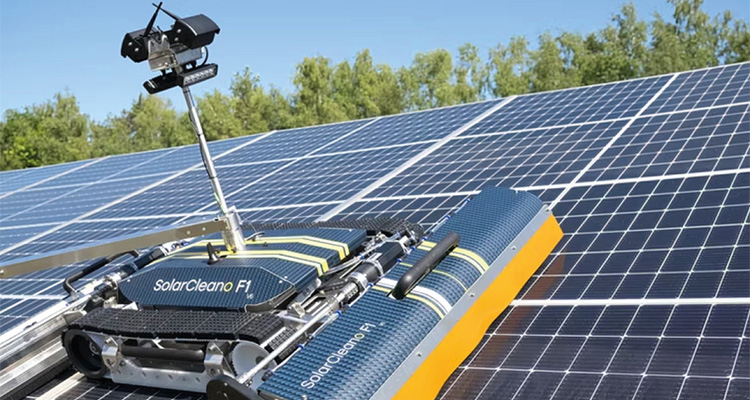
At the center of this transformation are connected devices that capture and send data across the energy network. These include smart meters, sensors, monitoring systems, drones, robots, and EV chargers. All these devices give utilities a steady flow of real-time information about where their assets are and how they’re performing. For example, autonomous cleaning robots, enabled by Deutsche Telekom IoT connectivity, help solar operators improve efficiency, reduce manual maintenance, and maximize energy generation.
The growing ecosystem of devices lets the industry move past expensive manual work and after-the-fact reporting to real-time, continuous monitoring. Instead of waiting for a scheduled maintenance check or reacting to customer complaints, energy companies can spot issues early. They can keep an eye on assets spread out over large areas and step in before small problems grow into bigger ones. That proactive approach makes the whole energy network run more smoothly and reliably.
These connected devices only deliver real value when data drives action. But all of this depends on reliable connectivity. Without it, even the most sophisticated devices can’t deliver the value needed to support proactive services.
Reappraising connectivity
As energy systems become more reliant on connected infrastructure, the consequences of connectivity failure take on a new dimension. What was once treated primarily as a technical issue can now affect operational performance, financial outcomes, and public trust.
Without the continuous flow of operational data, utilities lose the visibility needed to catch small issues before they turn into outages. They lose the ability to optimize maintenance and respond proactively to changing conditions. The result is slower decision-making, higher costs, time-intensive site visits, service disruption, and lasting damage to customer confidence. These knock-on effects change how manufacturers are expected to design connected products.
For smart device manufacturers, the shift reframes the importance of embedded connectivity. Energy company customers evaluate connected solutions not only on their features, but also on whether they can deliver dependable performance throughout their lifetime. If connectivity underperforms, it undermines the value and credibility of the entire solution. Embedded connectivity must therefore be treated as a core design requirement rather than a technical afterthought.
The challenge of connectivity
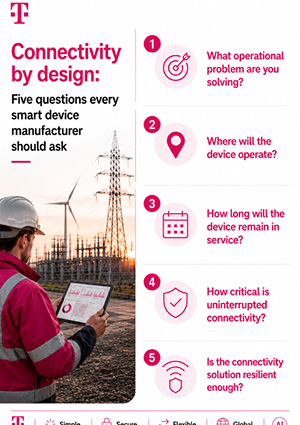
Selecting embedded connectivity has become more complex as utility deployments have grown more diverse, distributed, and mission-critical. A smart meter in an urban environment has very different requirements from those of a remote pumping station, an environmental sensor, or a drone inspecting overhead power lines. Decisions can therefore no longer be based solely on coverage or short-term cost. Manufacturers must consider factors including power consumption, data volumes, deployment conditions, deployment criticality, network evolution, and expected asset lifetime. Only by weighing all these elements can they identify a connectivity solution capable of delivering reliable, resilient performance over the long term. The choices made at the design stage will increasingly determine whether their solutions become trusted components of future energy systems or vulnerabilities within them.
A new era of connectivity
Connected energy infrastructure offers utilities the opportunity to operate more efficiently, anticipate disruption, and build more resilient networks. Smart devices will be central to progress, but their value will depend on the embedded connectivity that supports them throughout their working life. Ultimately, the decisions manufacturers make now, at the design stage, will decide whether their products become trusted parts of tomorrow’s energy systems, or weak links in them.
www.iot.telekom.com
Simon Boyd is International Sales Lead – IoT, Deutsche Telekom IoT. Deutsche Telekom IoT helps utilities, energy providers and technology manufacturers deploy and operate connected infrastructure with secure, managed IoT connectivity. Its solutions support applications including smart metering, renewable energy, asset monitoring and remote operations, enabling organisations to connect and manage large fleets of devices reliably throughout their operational lifetime.