The Case for Taking Residential Solar Seriously in the Energy Mix Conversation


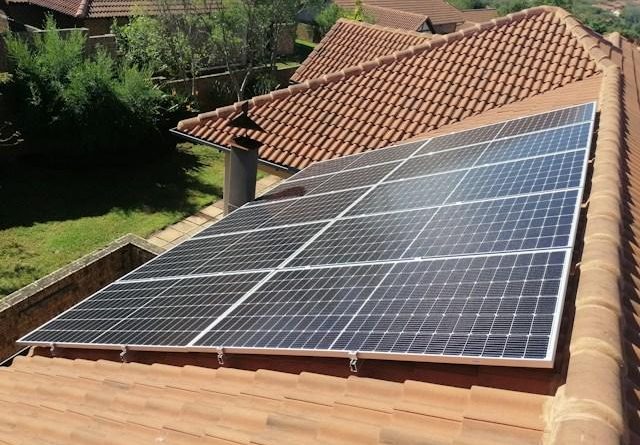
Industry discussions often fixate on utility-scale projects and massive grid-level infrastructure. However, distributed residential solar energy generation has evolved from a fringe consumer trend into a growing contributor to the overall energy mix. Facility planners and asset managers must now recognize this shift and give residential systems the serious strategic attention they deserve.
The Unprecedented Scale of Distributed Installations
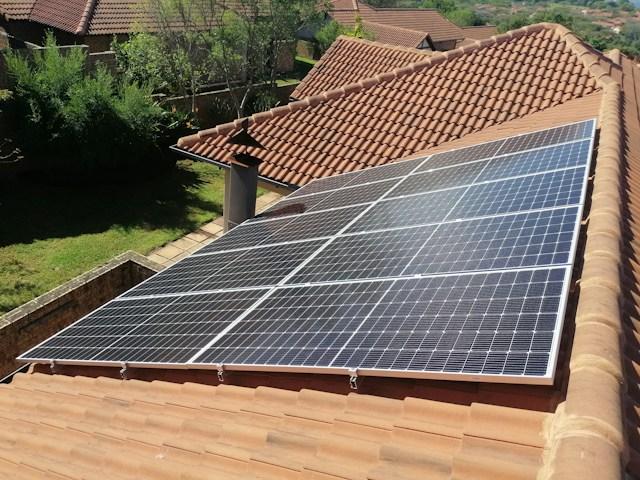
Nationwide adoption has reached a milestone of roughly 5.3 million distributed solar and storage installations, marking a fundamental transformation in how Americans generate electricity. In 2025 alone, installers added 450,000 new arrays to rooftops across the country.
Furthermore, comprehensive project-level data on distributed systems now covers 93% of the total U.S. market. This tracking capability gives operators unprecedented visibility into a rapidly expanding asset class that was barely measurable a decade ago.
Small-Scale Generation as a Core Power Provider
Small-scale photovoltaic installations closed out 2025 with an estimated 59,506 megawatts of output capacity while producing about 93 billion kilowatt-hours of electricity during that period. California alone accounted for approximately 34% of the nationwide total, reflecting both favorable policy environments and strong consumer demand in regions where electricity costs drive adoption. Meanwhile, utility-scale solar achieved 6.7% of total U.S. electricity output.
Small-scale residential installations complemented centralized, utility-scale facilities by generating power at the point of consumption, thereby reducing transmission losses and local grid strain.
Offsetting Costly Traditional Infrastructure Upgrades
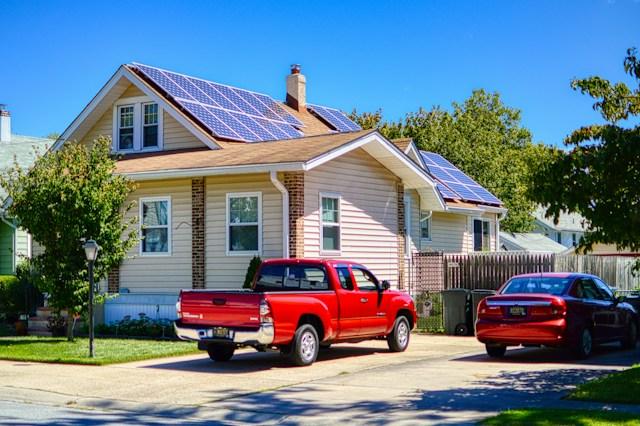
Decentralized energy resources help grid managers address growing power demands from emerging sectors without resorting to traditional infrastructure buildouts. Between 2024 and 2028, these residential and commercial installations are projected to add 217 gigawatts of capacity while creating a buffer against the strain that new technology sectors place on aging electrical networks.
According to the U.S. Energy Information Administration, the total operating capacity of U.S. coal-fired power plants is set to decrease to 145 gigawatts by the end of 2028, meaning projected solar capacity additions would be nearly 1.5 times larger than the remaining coal-fired fleet. The scale of this growth positions decentralized resources as a legitimate alternative to conventional generation expansion.
Successfully integrating these decentralized resources requires careful coordination among utilities, installers and regulators to ensure compatibility with existing transmission networks and load-balancing protocols. Without proper technical standards and interconnection agreements, even abundant rooftop capacity cannot reliably serve grid needs during peak demand periods.
Structural Standards Ensuring Solar Energy Reliability
Physical installation standards determine whether rooftop arrays can withstand weather events and deliver reliable performance over their operational lifespan. Attaining this durability starts with a proper racking setup, which requires mapping out array locations and accurately centering them to distribute weight across structural supports.
One critical specification requires installers to locate the first rafter and ensure the cantilevered overhang sits no more than 18 inches from the rafter attachment to maintain load-bearing integrity. Following this protocol allows arrays to maintain stable output for decades without compromising the roof structure.
When installation teams ignore these requirements, the consequences can be severe. Arrays that fail during high-wind events or heavy snow loads create safety hazards while undermining confidence in distributed solar energy as a dependable grid resource.
Delivering Measurable Value to the Distribution System

Economic analysis in the ERCOT market estimated the overall value of solar at roughly 27 cents per kilowatt-hour in 2025, with transmission and distribution system benefits accounting for 15 cents of that total. Direct grid advantages make up more than half the value by sparing utilities from costly substation and transmission line upgrades.
Emission reductions and air-pollutant savings contribute another 12 cents per kilowatt-hour and make up the remaining 45%. Environmental improvements, therefore, translate into measurable financial returns alongside operational gains.
As regional demand grows, decentralized electricity production helps utilities avoid building new centralized facilities that require years of permitting and billions in capital investment. Where regulatory frameworks permit, these avoided infrastructure costs can be passed through to customers and stabilize rate structures for residential and commercial ratepayers over time.
Unlocking Untapped Urban Generation Potential
Despite current adoption rates, urban environments still contain significant untapped potential if housing infrastructure receives proper maintenance and targeted investment. Research estimates that rooftop installations could benefit 56,503 Chicago homeowners, primarily clustered on the South and Southwest Sides, where older housing stock is well-positioned for solar exposure.
Within those neighborhoods, approximately 9,088 owner-occupied single-family homes occupy high-potential areas where roof conditions and sun exposure support immediate installation without major structural work. About half qualify for solar now because they feature sound roof conditions and minimal tree overhang.
For the remaining homes, minor rooftop rehabilitations unlock additional generating capacity where space constraints preclude ground-mounted options. Targeting these communities could simultaneously expand clean energy access and reduce electricity cost burdens for households that currently spend disproportionate shares of income on utility bills.
Rethinking Asset Management for a Distributed Future
The electrical network is evolving from a centralized model to a decentralized architecture, requiring asset managers and facility engineers to permanently incorporate residential solar energy into their planning frameworks. Strategic planners who embrace this transition today will be best positioned to leverage tomorrow’s distributed power landscape.

*Please note that this list includes sponsored content. Some of the companies, products, or services featured have entered into commercial agreements for placement. Sponsored placements do not necessarily reflect an endorsement and should be considered alongside other options in the marketplace.