The global oil buffer is disappearing

Subscribe to our free newsletter today to keep up to date with the latest energy, oil and gas news.
Global oil markets are becoming increasingly uneasy about a problem sitting beneath headline price movements: inventories are shrinking at an alarming pace. While attention remains focused on geopolitical flashpoints and OPEC+ production targets, traders and energy executives are warning that declining stockpiles could become the defining risk for global energy markets through the remainder of 2026.
The concern is not simply that oil supplies are tightening. The deeper issue is that inventories have historically acted as the market’s emergency reserve during periods of disruption. As those buffers erode, the global energy system becomes more vulnerable to sudden price spikes, supply shocks and inflationary pressure across industries.
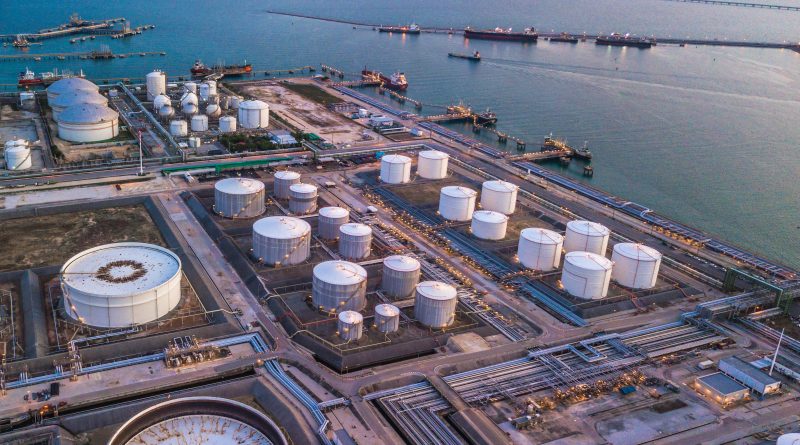
Recent estimates from the International Energy Agency suggest global oil inventories have been falling by millions of barrels per day amid disruption linked to tensions surrounding the Strait of Hormuz. Commercial stockpiles in major consuming regions have declined sharply in recent months, while strategic reserves in several countries remain below levels seen before earlier energy crises.
For energy traders, the shift represents a structural change in how the market absorbs shocks. In previous cycles, spare production capacity from major exporters could stabilize prices relatively quickly. Today, inventories are increasingly carrying that burden instead.
Oil inventories have become the market’s shock absorber
The market’s growing dependence on inventories reflects years of underinvestment across upstream energy infrastructure, refining capacity and storage systems. Even where production exists on paper, the logistics needed to move and process crude efficiently have become more constrained.
Analysts increasingly describe inventories as the market’s “shock absorber,” particularly during periods of geopolitical instability. The problem is that those shock absorbers are thinning at the same moment volatility is rising.
Several major oil producers continue to maintain output discipline under OPEC+ agreements, limiting the amount of immediate spare supply available to the market. At the same time, disruptions tied to shipping security, sanctions and regional conflicts have complicated flows across key export corridors.
This has forced consuming nations and refiners to draw down stored barrels more aggressively than expected. Industry executives warn that even if geopolitical tensions ease, rebuilding inventories could take months rather than weeks.
The consequences extend beyond crude prices alone. Tight inventories reduce flexibility throughout the wider fuel chain, including diesel, jet fuel and petrochemical feedstocks. That matters because refined products often have a more direct effect on industrial activity, transportation costs and consumer inflation.
Brent crude has already climbed above psychologically important pricing thresholds during recent trading sessions. Yet several analysts argue the real concern is not the current price level itself, but the market’s declining ability to respond to additional disruptions.
Summer demand is arriving at the worst possible moment
Seasonal demand patterns are adding another layer of pressure. Northern Hemisphere summer travel is expected to increase fuel consumption across aviation, road freight and consumer transportation. Agricultural demand for diesel also tends to rise during this period.
Ordinarily, seasonal strength can be managed through inventory releases and refining adjustments. This year, refiners are entering peak demand season with lower inventories and tighter margins for operational error.
That dynamic is particularly concerning for diesel markets. Diesel remains critical for shipping, logistics, manufacturing and heavy industry, meaning sustained price increases ripple quickly through supply chains and production costs.
Several energy companies have also warned refinery bottlenecks remain unresolved in parts of Europe and Asia. Aging infrastructure, delayed maintenance and limited investment in new refining projects have constrained the system’s ability to respond rapidly to changing demand patterns.
Even if tensions in the Gulf region stabilize, executives at major energy firms estimate it could take at least six months for inventories to normalize. In commodity markets, that represents a prolonged period of exposure to elevated volatility.
The result is a market increasingly vulnerable to secondary disruptions. A hurricane season affecting Gulf Coast refining infrastructure, further shipping delays or additional export interruptions could produce disproportionately large price reactions because the inventory cushion has already diminished.
The wider economic risks are starting to emerge
The broader economic implications are becoming harder for policymakers to ignore. Higher energy prices feed directly into transportation, manufacturing and food production costs, creating inflationary pressure central banks have struggled to contain over the past several years.
For manufacturers and logistics operators, persistent energy volatility complicates investment planning and procurement strategies. Fuel-intensive sectors such as aviation, chemicals and heavy transport remain especially exposed to sudden swings in pricing.
Shipping markets are already reflecting some of these pressures through elevated freight rates and insurance premiums tied to geopolitical risk. Fertilizer production, which depends heavily on energy inputs, could also face additional strain if natural gas and refined fuel prices continue rising alongside crude.
The political implications are equally significant. Governments that relied on strategic petroleum reserve releases during earlier crises now face reduced flexibility. Several major economies depleted portions of their emergency reserves in recent years to stabilize domestic fuel prices, leaving fewer tools available if supply disruptions intensify further.
What worries markets most is that inventories are shrinking during a period when the global economy remains unusually fragile. Higher borrowing costs, slowing industrial activity and weaker consumer demand already present challenges across many regions. Sustained energy inflation would add another layer of pressure.
For now, oil markets remain heavily driven by headlines surrounding geopolitical negotiations and OPEC+ decisions. Beneath those daily movements, however, a quieter but potentially more serious problem continues to develop.
The world’s energy system is losing one of its most important safety buffers at precisely the moment it may need it most.
Source