
The Industrial Retrofit Wave: Modernizing Oil & Gas Infrastructure From the Ground Up

Operations managers and facility engineers across the oil and gas sector face growing pressure to maintain aging infrastructure that was never designed for today’s efficiency standards or environmental regulations. Deferred maintenance compounds the problem, turning routine upkeep into expensive emergency repairs and compliance risks. The industrial retrofit wave offers a practical alternative, allowing operators to modernize critical systems without the prohibitive cost and downtime of total facility replacement.
The Hidden Costs of Aging Infrastructure
Delaying facility upgrades creates compounding risks that extend far beyond maintenance budgets. Older control and electrical systems often lack modern fault-detection capabilities, making failures harder to catch early and significantly more likely to escalate into unplanned shutdowns that halt production. When equipment operates past its designed lifespan, the probability of catastrophic failure increases, exposing facilities to operational disruptions that can take weeks to resolve.
Environmental hazards represent an even more pressing concern. Outdated equipment increases the risk of harmful methane emissions, a critical vulnerability given the industry’s intensifying regulatory scrutiny. Proactive facility upgrades using low-leakage equipment are essential to mitigating this risk and ensuring operators stay ahead of mandates to reduce methane emissions that continue to tighten across federal and state jurisdictions.
Beyond regulatory exposure, aging infrastructure drives up operating costs through inefficiency. Legacy systems consume more energy, require more frequent repairs and lack the diagnostic tools that allow modern equipment to signal potential issues before they become emergencies.
Why Retrofitting Outperforms Total Replacement
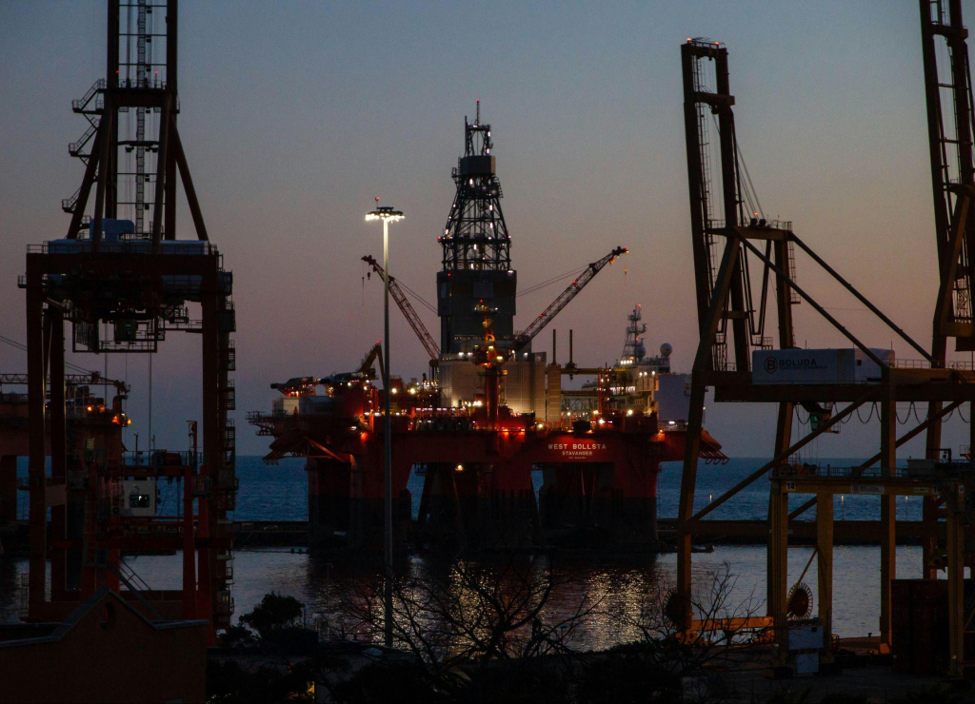
Completely abandoning existing assets represents a massive financial drain that most operators cannot justify. The U.S. Department of Energy notes that renovation, retrofit and refurbishment projects can upgrade existing assets for continued use, improve energy efficiency and reduce operational costs, particularly in older facilities. Retrofitting offers a practical path to modernization by integrating new components into existing infrastructure, helping operators minimize disruption while extending the value of existing assets.
Retrofitting reuses the existing site footprint, wiring and structural elements, which shortens installation timelines and reduces the operational disruption a full replacement would require. Rather than tearing out functional infrastructure to rebuild from scratch, retrofit solutions integrate new components into the existing framework, preserving the investments already made in foundations and control architectures.
Operators also gain the flexibility to phase upgrades across a facility over time, spreading capital investment rather than requiring a single large up-front outlay. This staged approach allows teams to prioritize the highest-risk systems first, validate performance improvements and adjust strategies based on real-world results before committing to subsequent phases. Phased retrofits keep facilities operational throughout the modernization process, maintaining revenue streams that would otherwise disappear during a total shutdown.
4 Industrial Retrofit and Modernization Solutions
Operators looking to modernize oil and gas infrastructure need reliable partners offering multilocation HVAC service, advanced control systems, electrical upgrades and comprehensive engineering support. The following providers deliver proven retrofit solutions across the critical systems that keep industrial facilities running safely and efficiently.
1. Natural Refrigerant and Low-GWP System Retrofits From CoolSys
For operators seeking a 24/7 national HVAC provider with deep expertise in commercial and industrial HVAC and refrigeration retrofits, CoolSys delivers comprehensive solutions. It has over 25 years of experience serving more than 4,200 customers, with an average rating of 4.8/5.
Operating over 110 branches across the U.S., CoolSys supports facilities transitioning to refrigerants that meet tightening federal and state regulations, including requirements that took effect on January 1, 2026. Its team helps operators identify the system that best fits their application, then procures and installs phased, cost-effective upgrades, including CO2 solutions where appropriate, to reduce carbon emissions and long-term operating costs.
Key features:
- Rapid, reliable service: 24/7/365 emergency service, preventive maintenance and nationwide coverage across 110+ branches support ongoing system needs and unexpected repairs.
- Turnkey asset solutions: Engineering, sourcing, installation and commissioning services can be paired with used equipment removal, recycling or reselling.
- Regulatory compliance support: Phased, cost-effective upgrades support state and federal compliance while helping reduce environmental impact and long-term operating costs.
2. DeltaV Modernization and Migration Solutions From Emerson
Emerson is an automation technology company serving process industries, including oil and gas. Its DeltaV Distributed Control System modernizes process automation without requiring a full teardown of existing infrastructure.
Emerson’s DeltaV modernization solutions help operators migrate aging control systems while preserving existing I/O infrastructure and field wiring where possible. Related DeltaV technologies, including RTU and SCADA solutions for upstream and midstream oil and gas operations, support greater visibility into distributed assets. This approach allows teams to phase upgrades incrementally, reducing disruption rather than relying on a full rip-and-replace strategy.
Key features:
- Legacy integration: It works with existing control hardware and wiring to reduce installation complexity and preserve functional elements while adding modern capabilities.
- Enhanced remote monitoring: Upgraded SCADA and RTU connectivity improve visibility into distributed assets across multiple locations.
- Flexible scaling: Adapting from single-unit panels to full pipeline systems allows operators to expand control capabilities as budgets and operational priorities shift.
3. EcoFit Switchgear Modernization From Schneider Electric
Schneider Electric is an energy management and automation company offering electrical infrastructure retrofits through its EcoFit program. The service retrofits low- and medium-voltage switchgear by replacing selected internal components, such as circuit breakers and protection relays, while preserving the existing cubicle, cabinet or footprint where applicable.
This approach shortens installation time compared to a full swap and adds digital connectivity to older equipment for condition-based monitoring. Operators benefit from extended asset life without the expense and disruption of replacing functioning enclosures and bus systems.
Key features:
- Broad compatibility: It works with switchgear from 20+ equipment brands, accommodating diverse facility environments and eliminating vendor lock-in concerns.
- Digital monitoring upgrades: Adding connectivity to previously unconnected gear enables predictive maintenance strategies that catch issues before they lead to failures.
- Minimal downtime: Using existing switchgear structures where applicable reduces installation disruption and limits downtime compared to full equipment replacement.
4. Modifications From Wood
Wood is an engineering and project delivery company focused on energy infrastructure. Its Modifications service handles engineering, procurement and construction work on live, operating oil and gas facilities, covering topside upgrades, flare retrofits and asset life-extension projects.
The scope runs the full life cycle from concept through detailed design and site execution, with work sequenced to minimize disruption and preserve uptime where possible. The service addresses the unique challenges of brownfield sites where space constraints, safety protocols and operational continuity demands require specialized planning.
Key features:
- Full EPC/EPCM delivery: Concept, detailed engineering, procurement, construction and commissioning support through delivery models streamlines accountability and project coordination.
- Live-site expertise: It’s designed for congested, operating facilities where shutdowns must be minimized and work must proceed around active operations.
- Emissions-focused upgrades: Flare, topside and emissions-related system improvements meet tightening environmental standards and regulatory requirements.
Securing the Future of Oil and Gas Facilities
The retrofit wave reshaping the oil and gas industry reflects an urgent recognition that aging infrastructure can no longer be deferred. Operations managers and facility engineers who embrace modernization through strategic partnerships position their facilities to meet regulatory demands, reduce operating costs and maintain competitive production levels.

*Please note that this list includes sponsored content. Some of the companies, products, or services featured have entered into commercial agreements for placement. Sponsored placements do not necessarily reflect an endorsement and should be considered alongside other options in the marketplace.