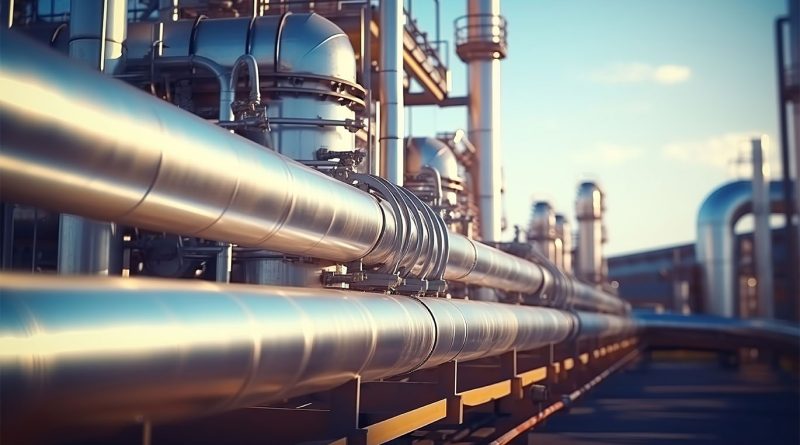
Understanding Industrial Gas Production and Distribution Systems


Many organizations and businesses rely on industrial gases to keep their operations running efficiently across manufacturing, energy and processing environments. In Texas — where industries demand scale, reliability and safety — your gas supply system directly impacts productivity and cost control.
What Is Industrial Gas Production?
Industrial gas production refers to the processes used to create gases, such as oxygen, nitrogen, argon, hydrogen and carbon dioxide, for commercial and industrial use. These gases support applications ranging from welding and metal fabrication to food preservation and semiconductor manufacturing.
You will typically encounter three primary production methods:
- Air separation: This is the most common method for producing oxygen, nitrogen and argon. Facilities use cryogenic distillation to cool atmospheric air until it liquefies, then separate gases based on their boiling points.
- Steam methane reforming (SMR): SMR reacts natural gas with steam under high pressure to produce hydrogen and carbon monoxide.
- Electrolysis: Operators use electricity to split water into hydrogen and oxygen. While more energy-intensive, many organizations adopt it to support sustainability goals.
Texas is the leading state in producing dry natural gas in the U.S., highlighting the region’s critical role in industrial gas supply chains.
How Industrial Gas Distribution Systems Work
After production, you need to transport gases safely and efficiently to your facility. Industrial gas distribution systems are based on volume requirements, application type and proximity to supply sources.
- Bulk delivery systems: Suppliers transport gases in liquid form via tanker trucks and store them in on-site cryogenic tanks. You benefit from a continuous, high-volume supply, ideal for refineries and large manufacturing operations.
- Cylinder supply: You can use compressed gas cylinders for smaller or intermittent applications. These systems offer flexibility and portability, especially for welding and maintenance work.
- Pipeline systems: In industrial hubs, pipelines connect production facilities directly to end users. You gain a steady, uninterrupted supply, an advantage in regions like Texas with established industrial infrastructure.
Reliable providers, such as Meritus Gas Partners, design distribution systems that align with your operational demands while maintaining strict safety standards.
Why System Design Matters in Texas Industries
Texas presents unique opportunities and challenges for industrial gas users. High-demand sectors require scalable systems that can handle fluctuations in production, extreme temperatures and stringent regulatory requirements.
In the southern U.S., Meritus Texas offers substantial, high-quality services tailored to these conditions. Backed by a broader network, it combines large-scale resources with localized expertise. You gain a consistent supply and responsive support as your operational needs evolve.
System optimization through proper storage sizing, pressure regulation and redundancy planning can reduce downtime and improve cost efficiency. According to Meritus, investing in the right infrastructure up front often leads to long-term operational stability.
The global industrial gases market reached $119.11 billion in 2025 and is projected to grow to $172.59 billion by 2033, reflecting strong and sustained demand from the manufacturing and energy sectors.
Frequently Asked Questions
Below are answers to practical questions about industrial gas to help guide your decisions in Texas-based operations.
Why is gas purity important?
Impurities can affect product quality, equipment performance and safety, especially in precision industries like electronics and health care.
How can you improve gas distribution efficiency?
You can optimize storage capacity, maintain equipment regularly and work with experienced providers to design tailored systems.
Choosing the Right Partner for Industrial Gases in Texas
Selecting a supplier involves more than comparing prices. You should evaluate reliability and technical expertise. For Texas-based operations, the right partner lets you align your industrial gas production and distribution systems with industry demands while maintaining safety, efficiency and performance.

*Please note that this list includes sponsored content. Some of the companies, products, or services featured have entered into commercial agreements for placement. Sponsored placements do not necessarily reflect an endorsement and should be considered alongside other options in the marketplace.